
Minds On Trial.
15 million Americans are living with severe mental illness.
Most of us will never notice.
“It’s time to start screaming from the rooftops”
What started as an effort to explain one legal tool — Assisted Outpatient Treatment — to one small Texas city became a five-episode investigative series spanning the state and even the nation.
Minds on Trial examines the gap between the mental health system people deserve and the one they actually get, through the voices of those living inside it.
The Voices You’ll Hear
-
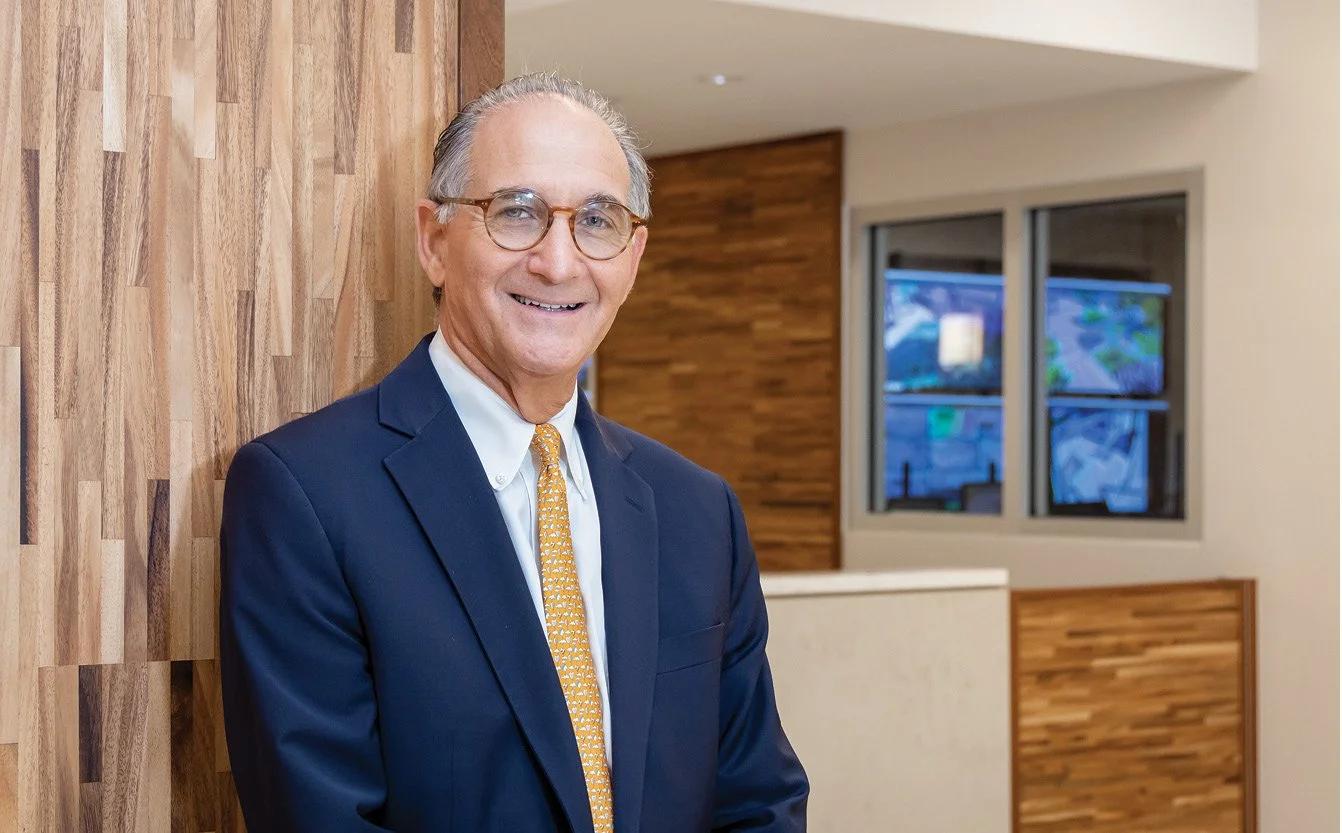
![Smiling middle-aged man in a navy suit and yellow patterned tie standing indoors near a wooden wall with windows in the background.]()
Judge Steve Leifman
Judge (Ret.) - 11th Judicial Circuit of Florida
-
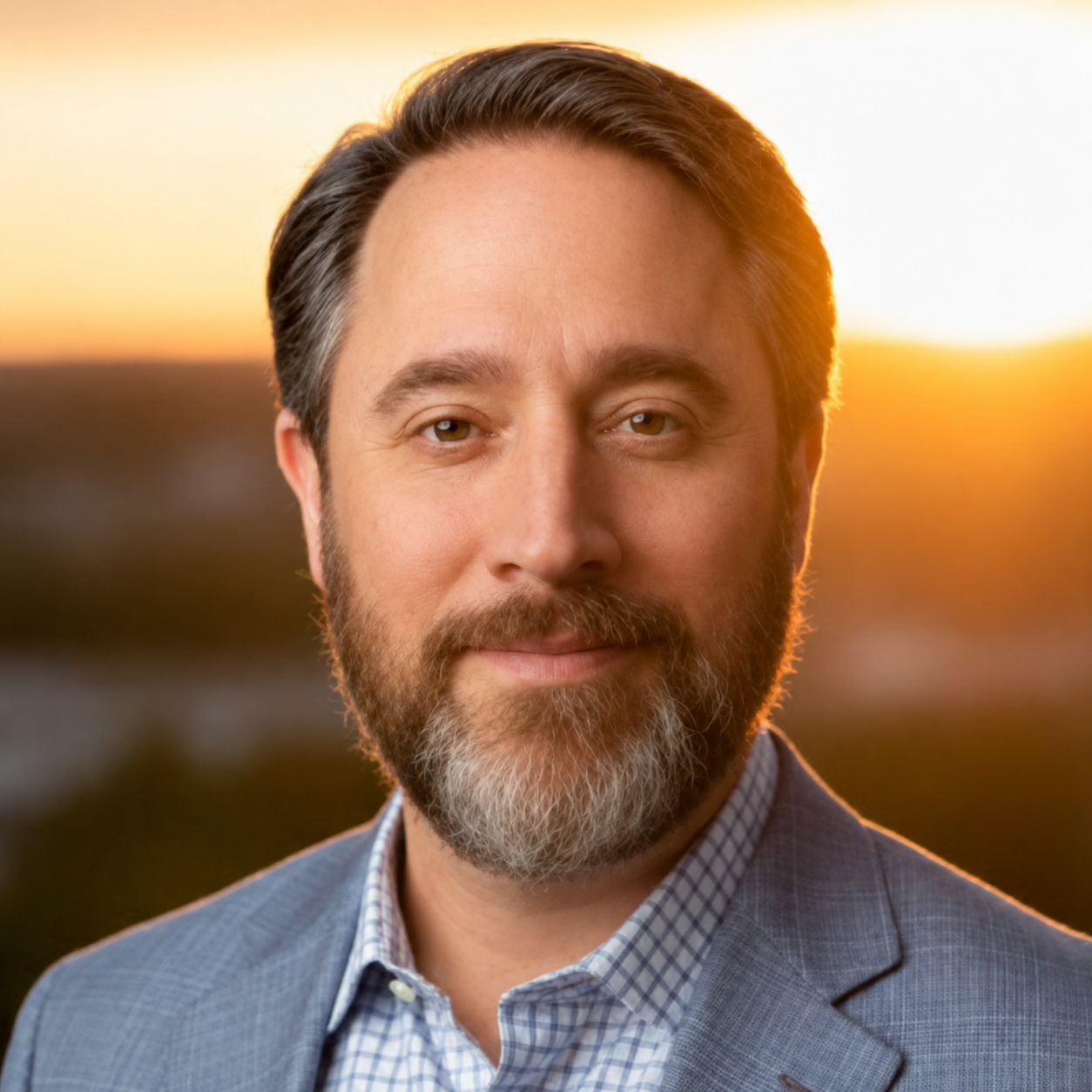
![Close-up of a middle-aged man with brown hair and beard, wearing a checked shirt and blazer, outdoors during sunset.]()
Eric Smith
Commissioner - Texas Judicial Commission on Mental Health
-
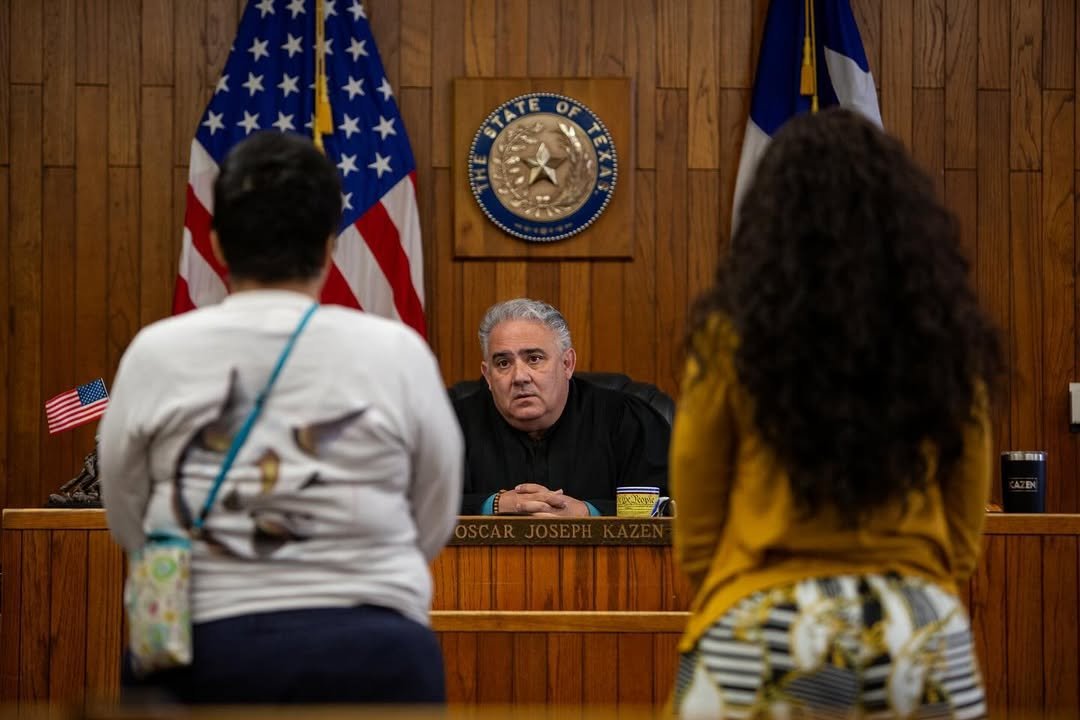
![Two women facing a judge in a courtroom with wooden walls, American flags, and a Texas state seal behind the judge's bench.]()
Judge Oscar Kazen
Judge - Bexar County Probate Court No. 1
-
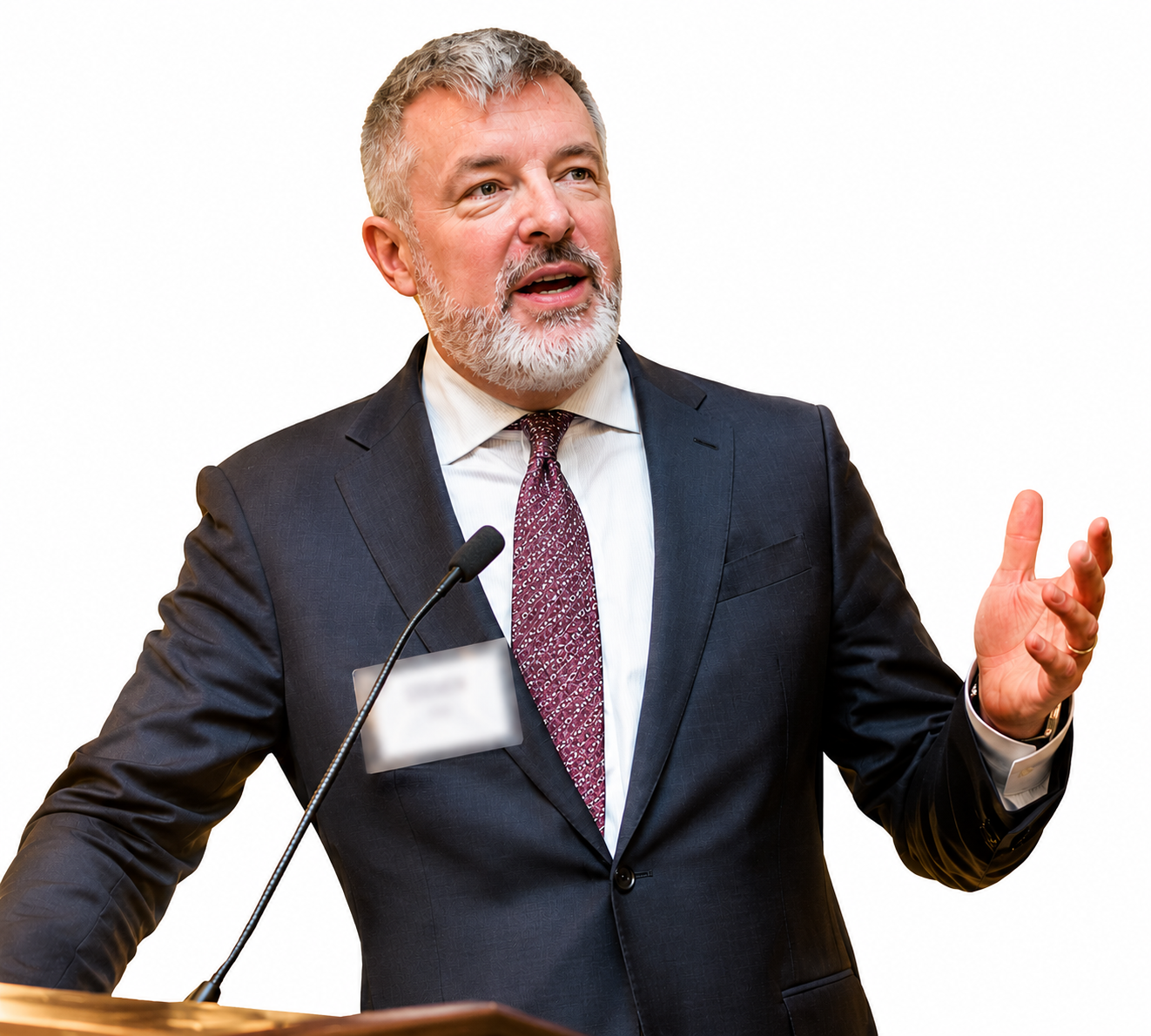
![A man in a dark suit and tie is speaking at a podium with a microphone, gesturing with his right hand, with a white background.]()
Dr. Andy Keller
President & CEO - Meadows Mental Health Policy Institute
-
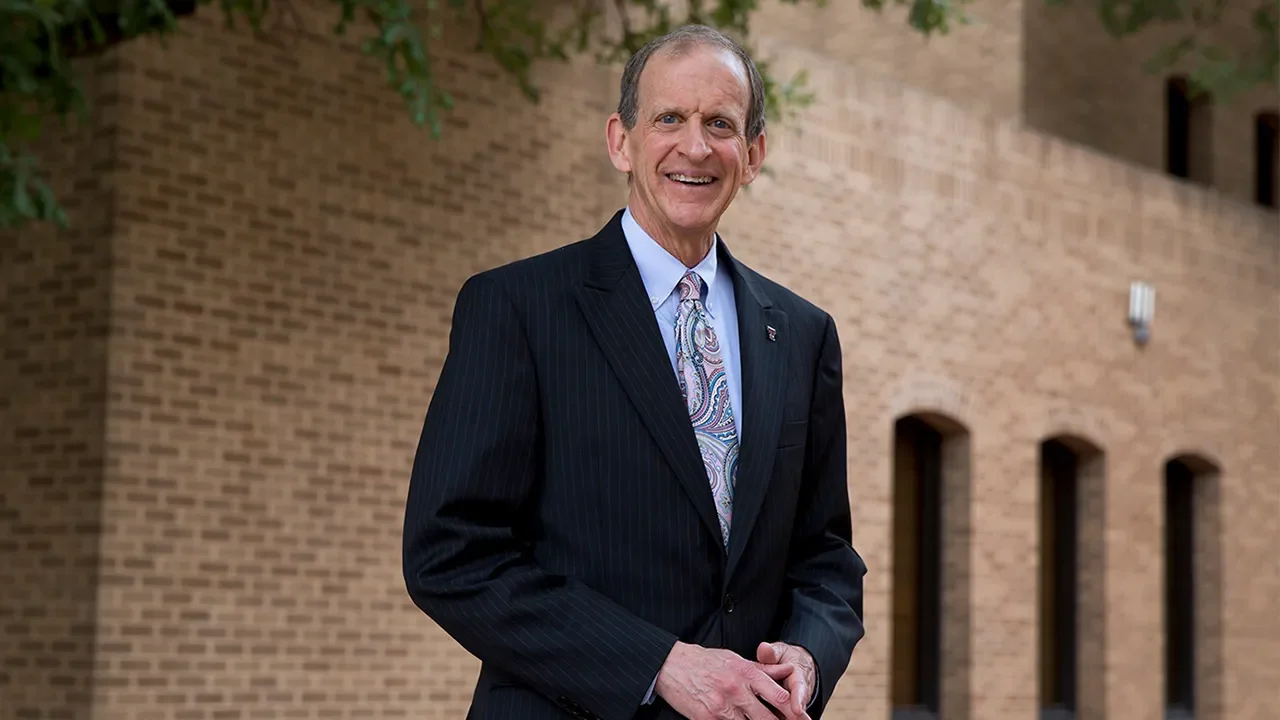
![A smiling elderly man in a dark pinstripe suit with a colorful paisley tie standing outdoors in front of a brick building with several small arched windows.]()
Professor Brian Shannon
Distinguished Professor - Texas Tech University
-
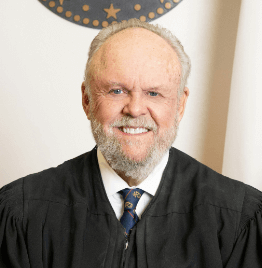
![Portrait of an elderly judge in black robe, smiling in a courtroom setting.]()
Judge Brent Carr
Judge - Tarrant County Criminal Court 9
EP1 : The Problem
For sixty years, America made a choice: when someone with serious mental illness fell into crisis, the response was a patrol car, not an ambulance. The first episode of Minds on Trial traces how the nation's jails became its de facto psychiatric wards, and what that decision has cost in dollars, in lives, and in human dignity. Researchers from Texas Tech, Miami-Dade County, and the Meadows Mental Health Policy Institute explain how we got here, and why the system kept producing the same results.
EP2 : The Solution
What if a judge, a psychiatrist, a social worker, and an attorney all showed up for one person in crisis - before things got worse? That's Assisted Outpatient Treatment, and in Texas, it's now the law. Episode two of Minds on Trial goes inside the courtrooms of Bexar and Tarrant Counties to hear from the judges using it. It also sits down with the architect of the Texas legislation that made it possible.
EP3 : The Model
Twenty-five years ago, Judge Steve Leifman wasn't trying to start a massive reform. He was just trying to solve what was right in front of him. What followed became one of the most studied criminal justice experiments in America: arrests cut by more than half, police shootings down over 85 percent, an entire jail closed. Episode three of Minds on Trial travels to Miami-Dade County to find out what happens when a community decides to treat mental illness as a medical problem instead of a criminal one.
EP4 : The Inside
Eric Smith was living out of his car, certain he was a federal asset standing between the world and a World War III assassination plot. That was a decade ago. Today, he's an international consultant and a mental health commissioner. Episode four of Minds on Trial — the most personal of the five — tells Eric's story from the inside out: through Eric's own words, through his parents, and through the judge who refused to let the system write him off.
EP5 : Start Screaming
Eric Smith knows the system from the inside. He's lived it, survived it, and spent years working to change it. The final episode of Minds on Trial returns to Eric's story — this time looking forward. Smith argues that the mental health and criminal justice conversation has been too cautious for too long, and that the evidence for what works is too strong to keep presenting politely. The researchers, judges, and advocates who've spent decades in this space agree: it's time to stop treating this like a quiet policy debate.